Blog
Medical Equipment Disposal: Safe & Compliant Guide
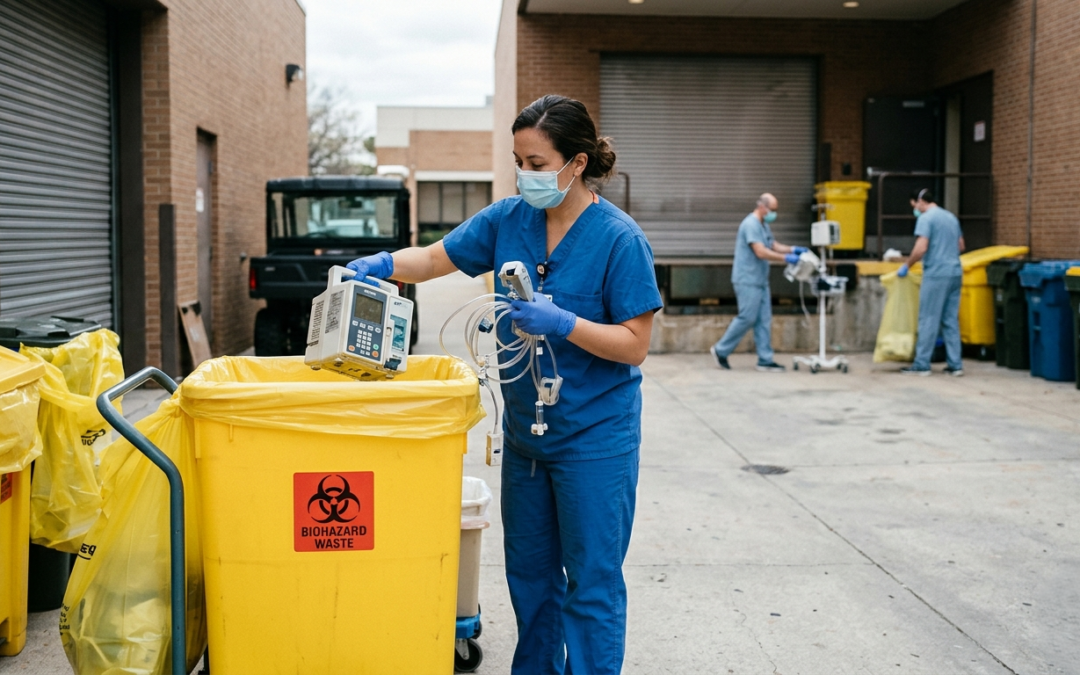
Medical equipment disposal covers a lot more than tossing broken devices in a dumpster. Some equipment carries a biohazard risk. Some contain regulated materials, such as mercury or lithium batteries. Some just need proper data wiping before they leave the building. This guide breaks down why proper disposal matters, how to actually do it safely, and what regulations apply depending on the equipment type.
How to Dispose Sharps Waste: Safe and Effective Methods
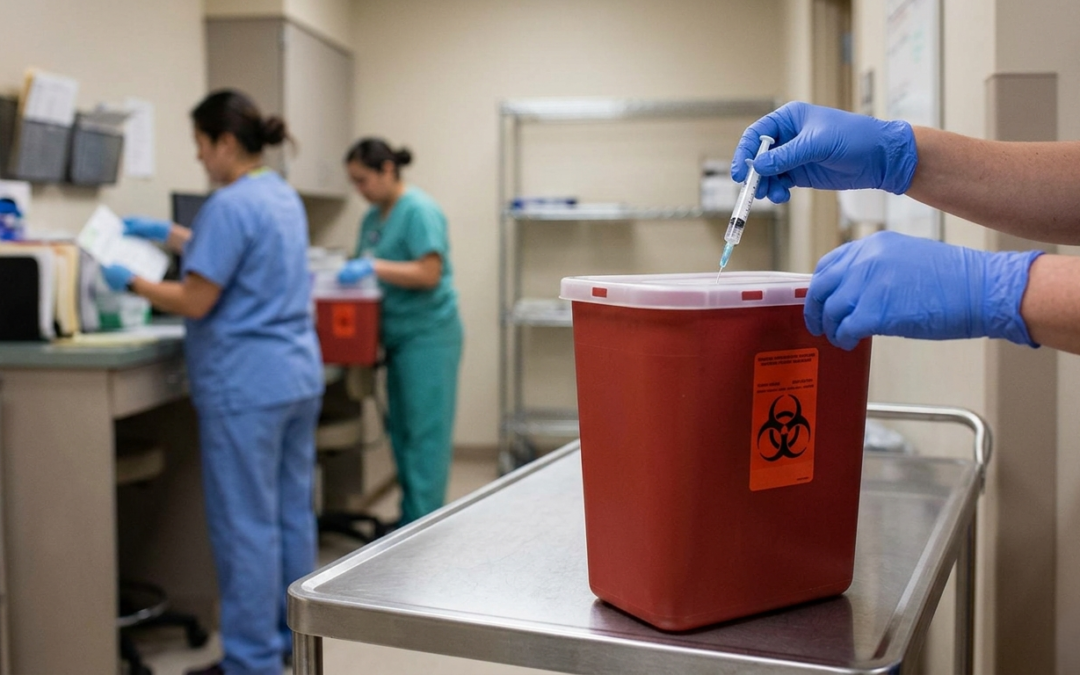
Needles, lancets, and similar sharps waste need disposal methods built specifically to protect waste handlers and the public from injury and infection. Regular trash isn’t an option across most states, and household containers alone rarely meet the safety bar requirement. What follows covers what actually counts as sharps waste, the regulations that apply, and disposal methods that genuinely work- FDA-cleared containers through community take-back programs.
Pharmaceutical Waste Container to Dispose Drugs Safely
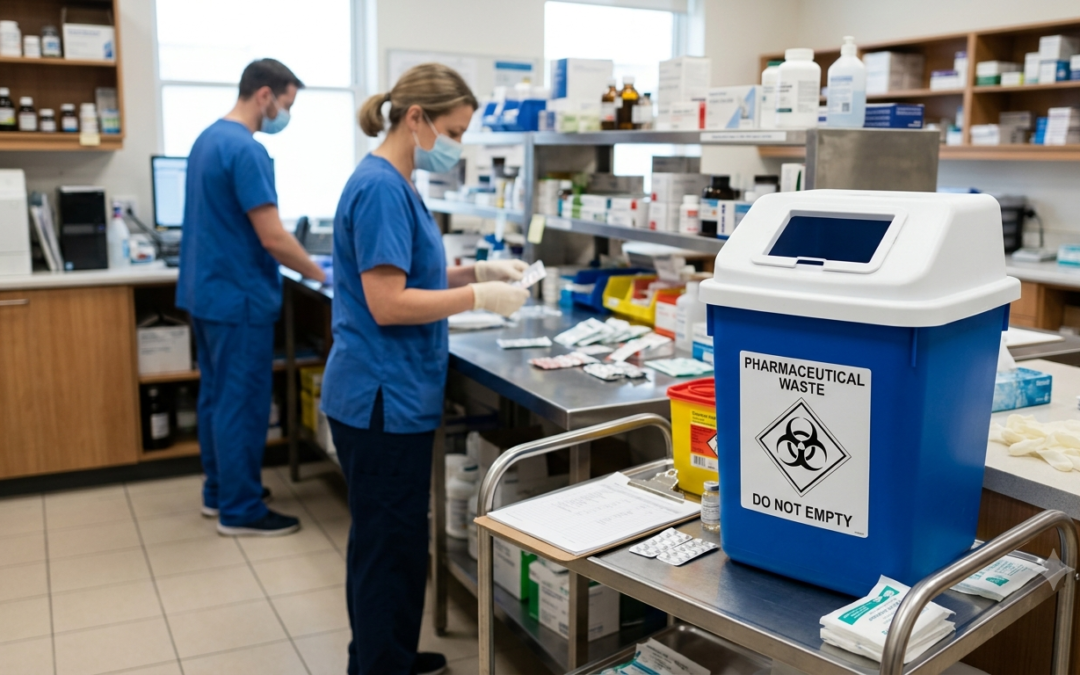
Pharmaceutical waste containers provide a safe and compliant way to collect expired, unused, hazardous, and controlled medications. Proper segregation, labeling, secure storage, and licensed transportation help protect healthcare staff, patients, and the environment. Choosing the right container based on waste type, volume, and regulatory requirements can also prevent costly disposal mistakes. With professional support from MedCycle, facilities can manage pharmaceutical waste efficiently from collection through final treatment.
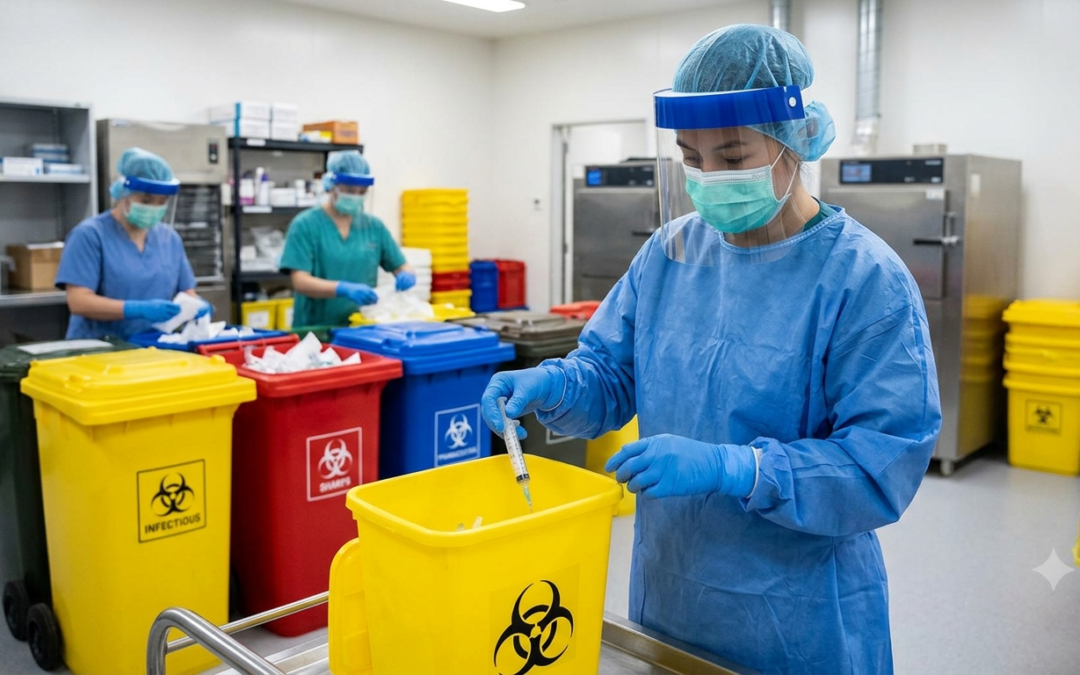
What Is Medical Waste? Types, Management & Facts
Medical waste includes hazardous materials such as sharps, infectious waste, pharmaceuticals, chemicals, and pathological waste generated during patient care. Proper medical waste management is essential to protect healthcare workers, the public, and the environment while ensuring compliance with regulatory standards. The disposal process involves safe segregation, collection, transportation, treatment, and final disposal using approved methods. Partnering with a reliable medical waste management provider helps healthcare facilities maintain safety, compliance, and environmental responsibility.
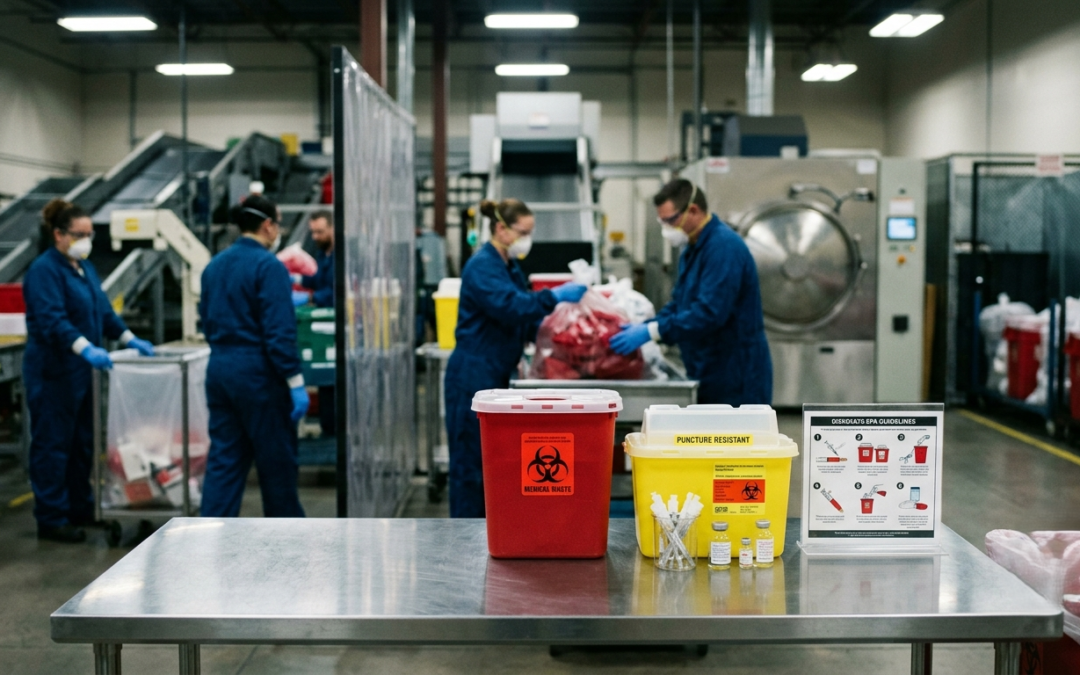
EPA Compliance: Guide to Medical Waste Regulations
📌 Key Takeaways EPA compliance is an important part of responsible medical waste management, especially when facilities handle hazardous waste...
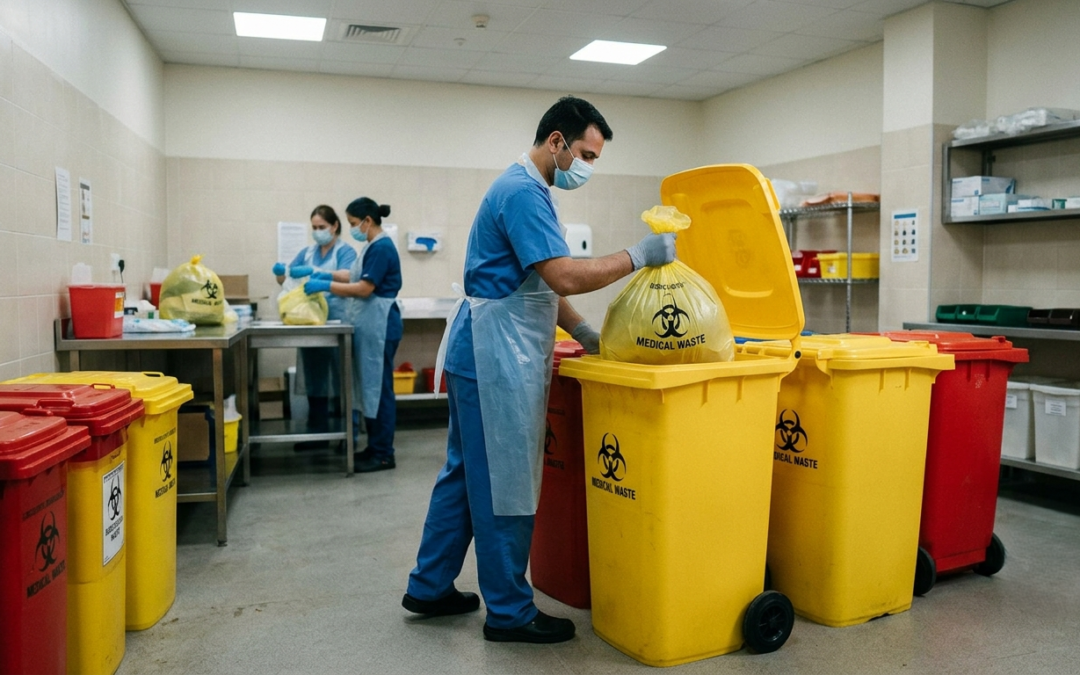
OSHA Compliance Guide: Standards, Training, and Inspection Tips
📌 Key Takeaways OSHA compliance is essential for medical and dental practices to maintain a safe, compliant workplace and avoid costly violations....
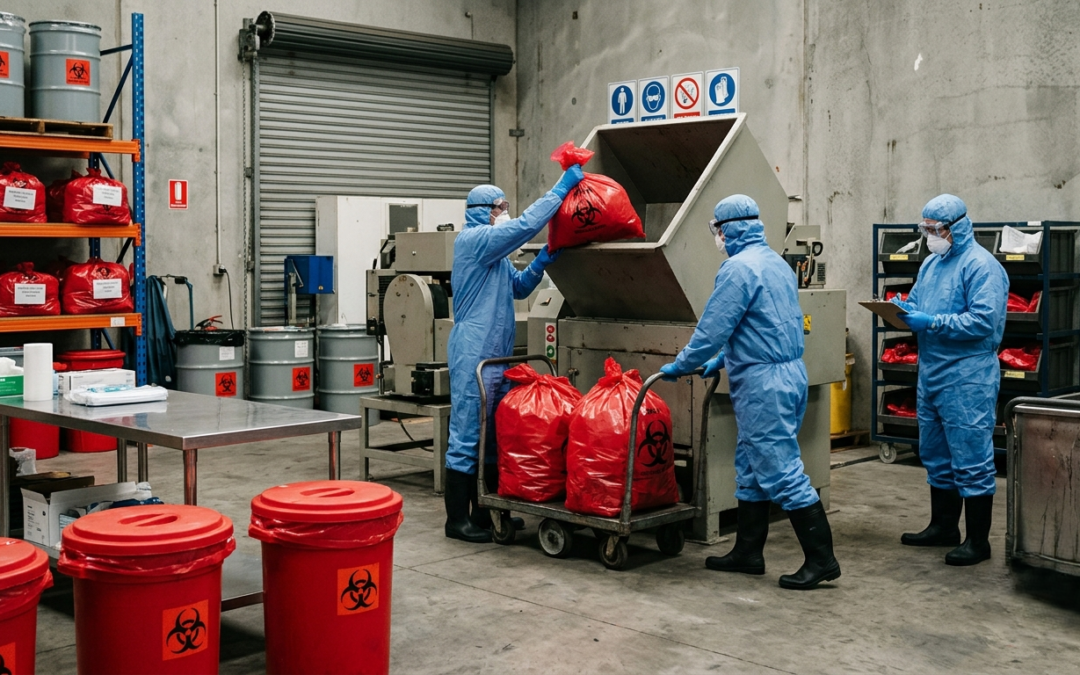
Biohazard Disposal Cost: Pricing & Cost Breakdown 2026
📌 Key Takeaways Biohazard disposal costs vary based on waste volume, pickup frequency, waste type, facility location, and service agreements. Small...

Sharps Containers: Guide to Safe Medical Waste Disposal
📌 Key Takeaways Sharps containers are essential for safely collecting needles, syringes, lancets, scalpels, and other sharp medical waste while...
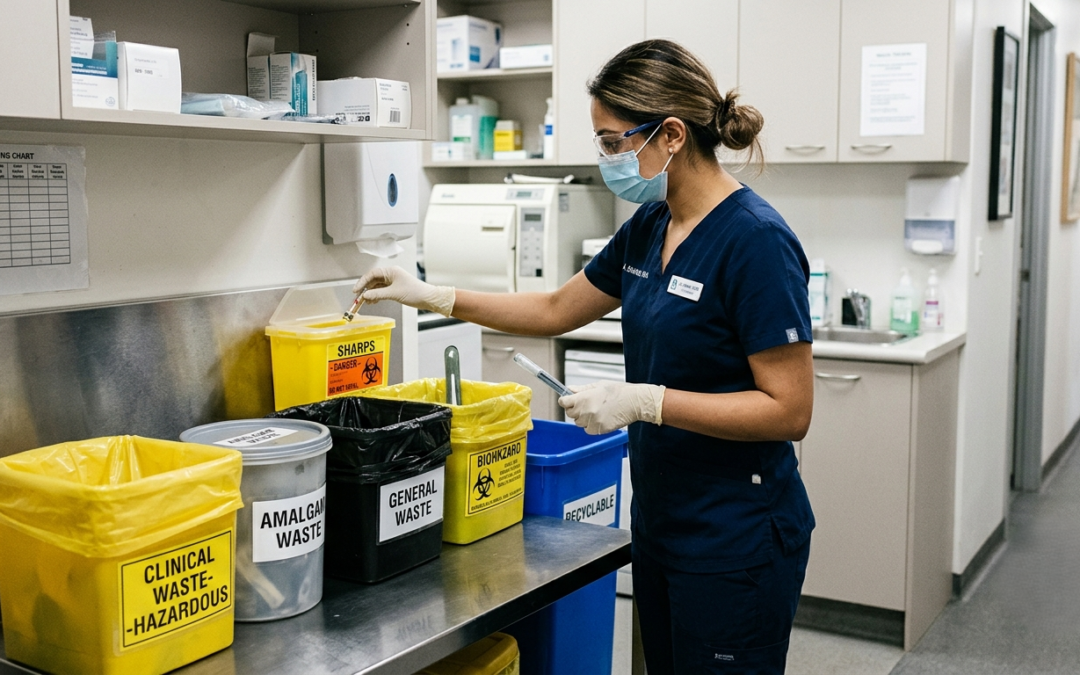
Dental Waste Management Strategies for Safe Disposal
📌 Key Takeaways Effective dental waste management is essential for protecting patients, staff, communities, and the environment. Dental offices...