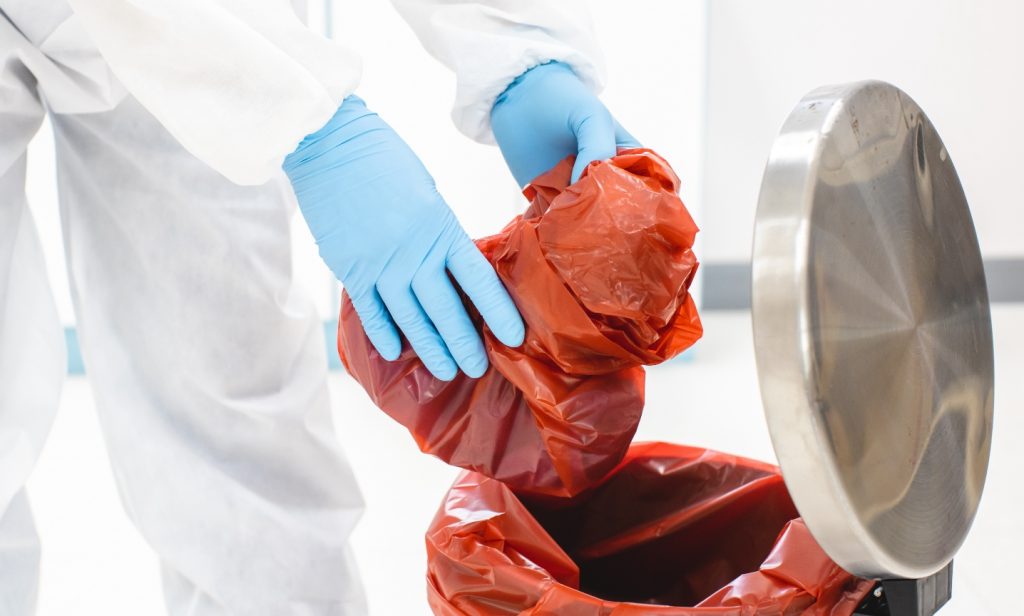
Biohazard Waste Disposal Services for Healthcare & Businesses

Get in touch with the experts today and see how MedCycle can help you with
medical and biohazard waste disposal in Houston, Dallas, San Antonio, and Austin.

Biohazardous waste refers to any kind of waste that either contains or is composed of infectious materials. The World Healthcare Organization (WHO) separates biohazardous waste into the following categories:

N
Infectious waste
N
Sharps waste
N
Pathological waste
N
Pharmaceutical waste
N
Chemical waste
N
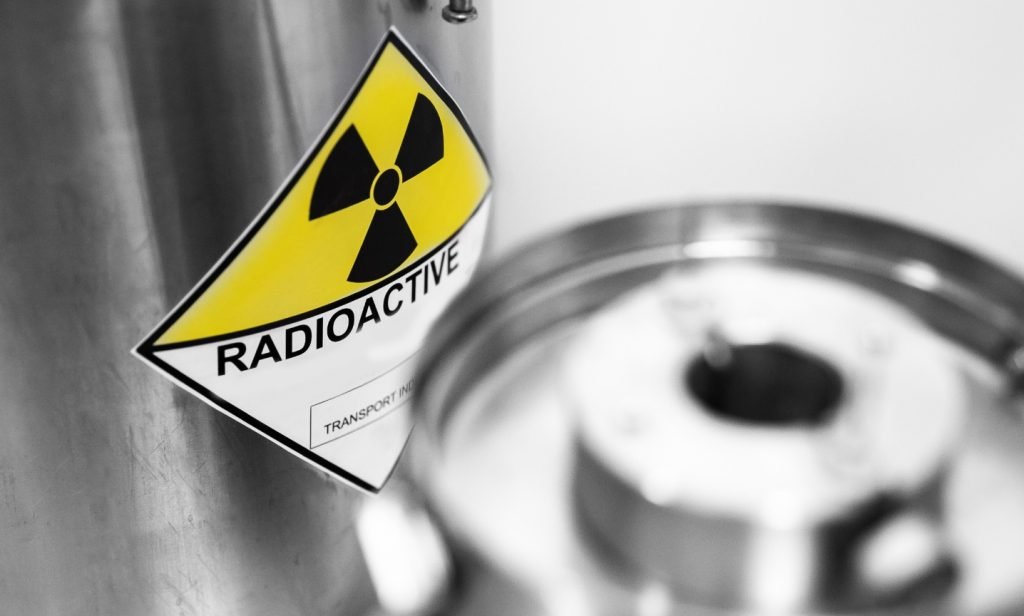
Radioactive waste
 

To protect everyone’s health, several state and federal agencies have regulations governing the storage of biohazard waste disposal. MedCycle prides itself on offering comprehensive biohazard waste disposal services that comply with all agencies, including OSHA and the Texas Commission on Environmental Quality (TCEQ).

To learn more about us and our process, contact us today.

Understanding the Different Types of Waste


Each of the types of waste listed above has its own definitions and examples that we can point to so you and your facility clearly understand the differences between them and how to handle them.

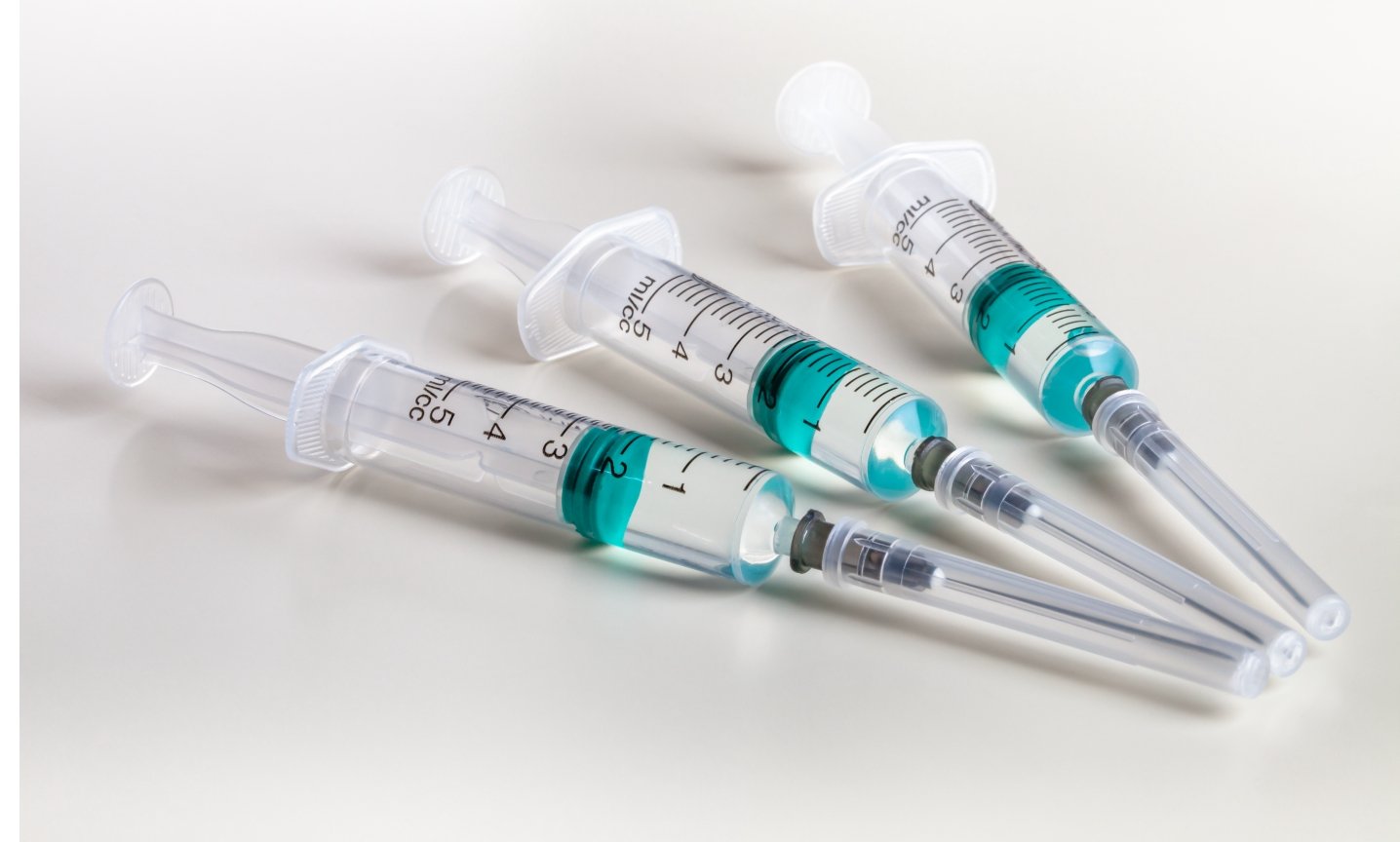
Infectious waste is waste that either contains or is suspected to contain pathogens, and pose a risk of spreading diseases. One of the most notable examples of infectious waste would be water contaminated with blood, body fluids, laboratory cultures, or microbiological waste. While all of these are indeed infectious waste, microbiological waste in particular is often considered highly infectious.

Sharps waste defines devices or objects that have been used to puncture or lacerate skin, such as:

N
Hypodermic, intravenous, and other types of needles
N
Syringes with attached needles
N
Scalpels
N
Pipettes
N
Knives
N
Blades
N
Broken Glass

Pathological waste includes:

N
Both animal and human tissues
N
Organs
N
Body parts
N
Bodily fluids
N
Unused blood products

OSHA and many states consider teeth to be potentially infectious material, although this is not the case everywhere.

Pharmaceutical waste is expired/unneeded drugs, such as prescriptions or cytostatic drugs.

When it comes to storage and collection, chemical waste is included with pharmaceutical waste on the WHO’s waste management scheme. Common examples of chemical waste include:

N
Expired disinfectants
N
Solvents
N
Batteries
N
Thermometers
N
Blood pressure gauges
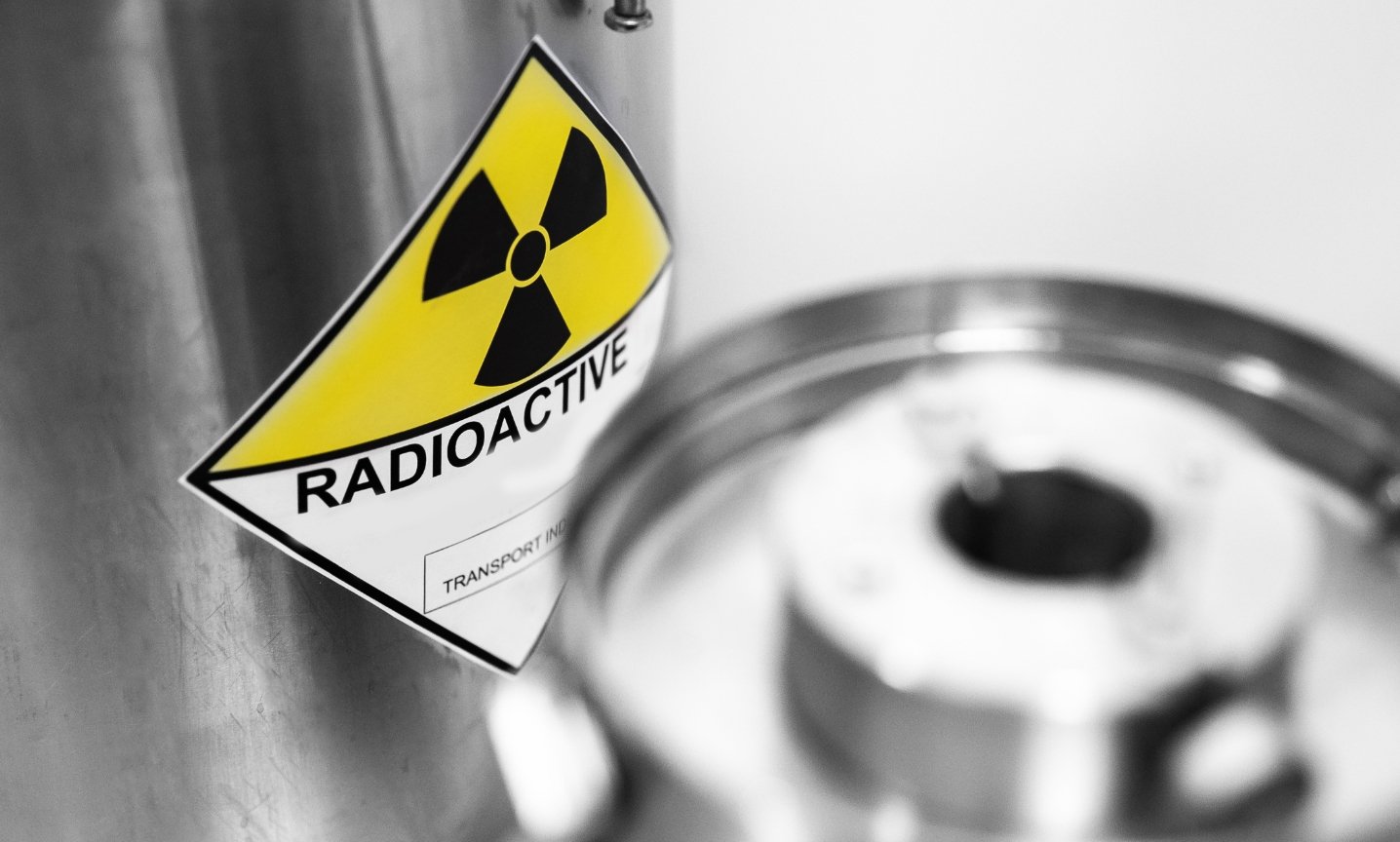
The last type of waste is radioactive waste, which is anything that contains radioactive substances. This could include:

N
Unused radiotherapy or lab liquids
N
Contaminated glass or paper
N
Any other material that has been exposed to radioactive sources
Infectious Waste

Infectious waste is waste that either contains or is suspected to contain pathogens, and pose a risk of spreading diseases. One of the most notable examples of infectious waste would be water contaminated with blood, body fluids, laboratory cultures, or microbiological waste. While all of these are indeed infectious waste, microbiological waste in particular is often considered highly infectious.

Sharps Waste
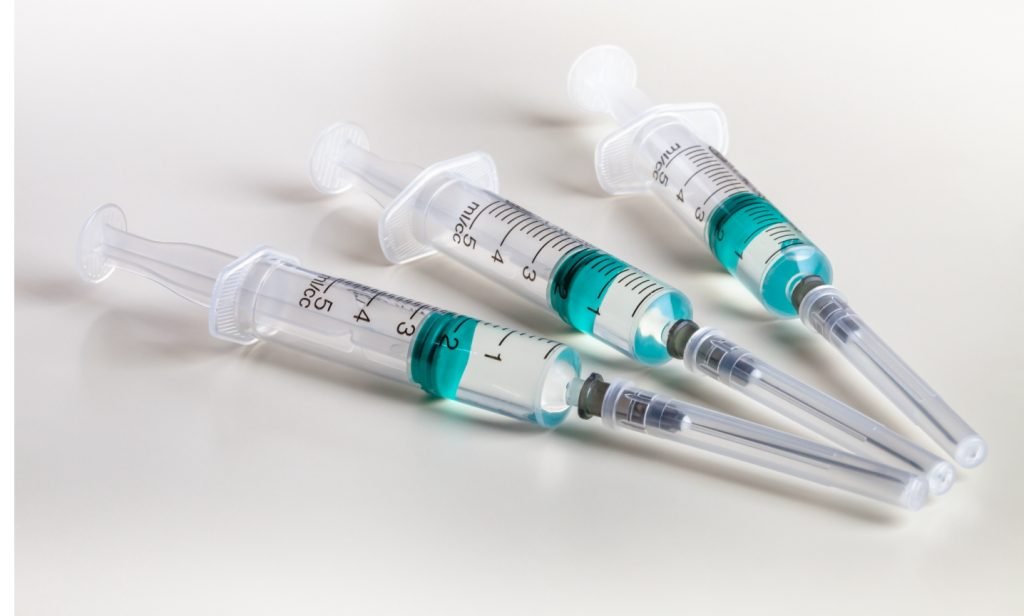
Sharps waste defines devices or objects that have been used to puncture or lacerate skin, such as:

N
Hypodermic, intravenous, and other types of needles
N
Syringes with attached needles
N
Scalpels
N
Pipettes
N
Knives
N
Blades
N
Broken Glass
Pathological Waste

Pathological waste includes:

N
Both animal and human tissues
N
Organs
N
Body parts
N
Bodily fluids
N
Unused blood products

OSHA and many states consider teeth to be potentially infectious material, although this is not the case everywhere.

Pharmaceutical Waste

Pharmaceutical waste is expired/unneeded drugs, such as prescriptions or cytostatic drugs.

Chemical Waste
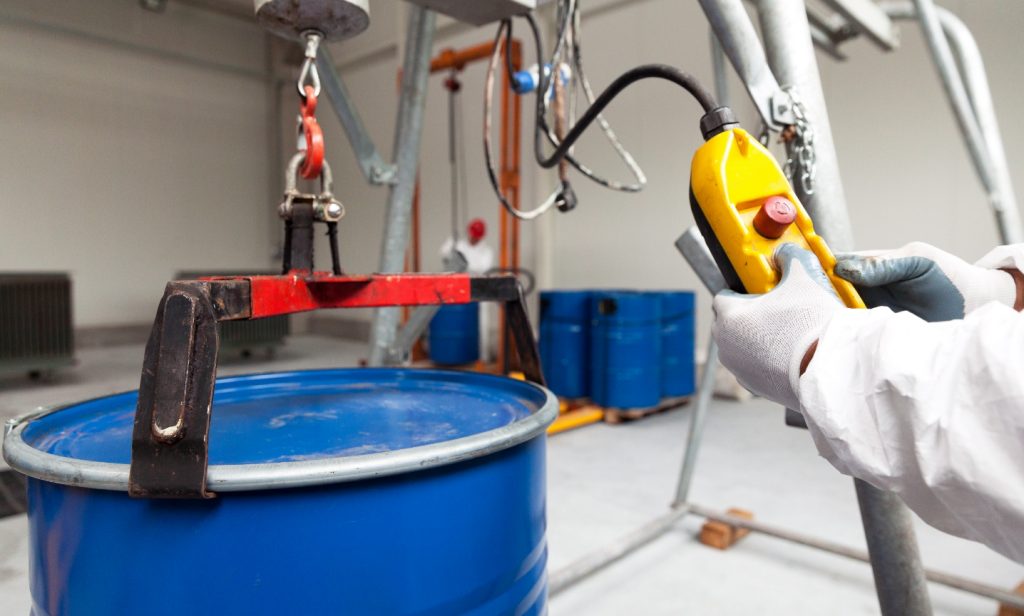
When it comes to storage and collection, chemical waste is included with pharmaceutical waste on the WHO’s waste management scheme. Common examples of chemical waste include:

N
Expired disinfectants
N
Solvents
N
Batteries
N
Thermometers
N
Blood pressure gauges
Radioactive Waste

The last type of waste is radioactive waste, which is anything that contains radioactive substances. This could include:

N
Unused radiotherapy or lab liquids
N
Contaminated glass or paper
N
Any other material that has been exposed to radioactive sources

Contact Us For Safe Medical Waste Disposal

Texas Compliant Biohazard Disposal


We provide regulated medical waste generators in Houston, Dallas, San Antonio, and Austin with medical waste disposal & biohazard trash disposal, collection, treatment, and disposal solutions. Previously, we have provided biohazard disposal services to:

N
Hospitals
N
Medical clinics
N
Pharmaceutical clients
N
Dentists
N
Physicians
N
Urgent care centers
N
Laboratories
N
Nursing homes
N
Funeral homes
N
Home health agencies
N
Veterinary clinics
N
Animal hospitals
N
Surgery centers
N
Police departments
N
Fire departments
N
Other city and state organizations located in the Houston, Dallas, San Antonio, and Austin areas
Our combination of experience makes us uniquely qualified to handle all manner of hazardous waste. At MedCycle, we also provide you with the knowledge, resources, and services you need to make sure you are staying compliant with all applicable regulations.


To learn more about us and our process,
contact us today.

Expert Biohazard
Disposal Service


Short Notice Collection

At MedCycle, we are available for both regular and same-day collection and removal services. We understand no two situations are the same, which is why we offer custom collection plans and a wide array of services.

Texan-Focused

We focus on providing exceptional biohazard waste disposal services to the Houston, San Antonio, and Austin areas, making us thoroughly familiar with all the rules, regulations, and expectations that exist in each city.

Staff Compliance

To help you make sure your operations are complying with regulations, we offer a one-stop online compliance portal. Through the MedCycle compliance portal, you get access to online training, safety data sheets (SDS), your own safety plan builder, and much more.

MedCycle: A Biohazard
Disposal Company


Partnering with MedCycle means getting access to safe and reliable access to exceptional medical waste disposal and collection services. For years, we have worked directly with site managers to provide proper service and reduce unnecessary costs.

We take your specific needs into account and develop a customized solution, such as a specialized biohazard disposal container that fits you. Contact us today for a free quote and to learn more about how we can help you.
Frequently Asked Questions

What regulations apply to biohazard waste disposal?
Biohazard waste disposal is governed by OSHA, the EPA, the Department of Transportation (DOT), and applicable state regulations. These rules cover waste segregation, labeling, transportation, treatment, and final disposal.
How often should biohazard waste be collected?
Collection schedules depend on the amount of waste generated and local regulations. Facilities can choose weekly, bi-weekly, monthly, or customized pickup schedules to ensure biohazard waste is removed safely and efficiently.
Why is proper biohazard bin disposal important?
Proper biohazard bin disposal helps prevent the spread of infectious diseases, protects healthcare workers and the public, and ensures compliance with federal and state waste disposal regulations. Improper disposal can lead to safety risks and regulatory penalties.
What color is a biohazard disposal container?
Most biohazard disposal containers are red or clearly labeled with the universal biohazard symbol to identify infectious waste. The specific container requirements may vary depending on state regulations and the type of waste being disposed of.
What items should be placed in a biohazard disposal container?
A biohazard disposal container is used for infectious waste such as blood-soaked materials, contaminated PPE, pathological waste, laboratory specimens, and other regulated medical waste. Sharps should always be placed in designated puncture-resistant sharps containers rather than standard biohazard containers.

Save With Custom Medical Waste Disposal Plans

This will close in 20 seconds