📌 Key Takeaways
OSHA compliance is essential for medical and dental practices to maintain a safe, compliant workplace and avoid costly violations. It involves proper employee training, PPE use, hazard communication, recordkeeping, and safe handling of medical waste. Proper biohazard and sharps disposal is especially important, requiring labeled containers, correct placement, and timely collection. Dental offices must also manage amalgam waste appropriately. Since OSHA inspections can happen without notice, maintaining updated training records, safety equipment, and waste disposal procedures is crucial. Working with a reliable medical waste disposal provider can help facilities stay compliant, protect employees, and reduce workplace risks.
This OSHA compliance guide explains why OSHA compliance sounds like paperwork right up until an inspector actually walks through the door. By then, it’s too late to catch up on stale training logs or fix a mislabeled sharps container sitting in the wrong spot. Most practices treat it as background noise – something handled once during onboarding, never really touched again. That gap’s exactly where violations creep in, and where fines start adding up fast.
It also explains the key requirements Houston medical and dental practices should understand to maintain a safer and more compliant workplace. What the term genuinely means, why it matters, the specific standards and training obligations tied to clinical work, how medical waste disposal factors in more than people expect, and what actually happens if an inspector shows up unannounced. According to Precedence Research, the global Medical Waste Management Market is expected to expand from USD 14.06 billion in 2025 to USD 27.75 billion by 2035, growing at a CAGR of 7.04% during the forecast period.
I’ve covered workplace safety and healthcare operations for a long while now, and one pattern keeps showing up: practices treating compliance as routine maintenance, not a once-a-year scramble, tend to breeze through inspections without much drama at all.
What Is OSHA Compliance and Why Does It Matter?
OSHA compliance means following the safety and health standards set by the Occupational Safety and Health Administration, the federal agency handling workplace safety across most US industries. In practice, that’s identifying hazards, training staff properly, keeping accurate records, and following specific rules around equipment and hazard communication. This OSHA compliance guide covers the essential workplace safety practices facilities need to follow, from employee training and hazard identification to proper documentation and waste management.
Firstly, it matters because skipping it has real consequences, not theoretical ones. Fines can run into the tens of thousands per incident, and repeated or willful violations climb from there fast. Additionally, non-compliance puts actual people at risk, not just a budget line. A missing eyewash station, or an untrained employee handling sharps carelessly – that’s not a paperwork gap. That’s a real injury waiting to happen, sooner or later.
Furthermore, OSHA compliance tends to pay for itself over time, honestly. Fewer injuries mean lower workers’ comp costs, less downtime, and better morale too, since employees genuinely notice when their safety gets taken seriously instead of being mentioned once in an orientation packet nobody reads twice.
Key OSHA Compliance Standards for Medical and Dental Facilities
This OSHA compliance guide highlights the specific OSHA standards that medical and dental practices need to understand and follow. Medical and dental practices deal with a specific mix of OSHA standards that a typical office setting never has to think about at all.
A few of the big ones, worth knowing by name:
- The General Duty Clause requires a workplace free from recognized hazards likely to cause serious harm, even where no specific standard covers the exact situation
- Bloodborne Pathogens Standard – covers exposure control plans, PPE, and safe handling of blood or other potentially infectious materials
- Hazard Communication Standard – requires labeling, safety data sheets, and training for hazardous chemicals used on-site, including plenty of dental materials people don’t think twice about
- Personal Protective Equipment requirements dictate what PPE’s necessary for specific tasks, plus training and maintenance obligations tied to it
- Recordkeeping rules – mandate accurate logs of work-related injuries and illnesses using OSHA’s standard forms
Moreover, dental offices specifically deal with extra considerations around chemical exposure and medical waste that a general medical office might never encounter, which we’ll get into shortly.
OSHA Compliance Training Requirements
Training isn’t a one-time checkbox, no matter how many offices treat it. OSHA expects ongoing education, not a single onboarding session that never gets revisited. As outlined in this OSHA compliance guide, ongoing training helps ensure employees understand workplace hazards and know how to follow required safety procedures.
New employees generally need training before starting any work involving hazard exposure, not sometime in month one once someone remembers to schedule it. Additionally, annual refresher training is required for several standards, particularly Bloodborne Pathogens, given how often procedures and materials shift in a clinical setting.
A handful of training essentials worth building into any real compliance program:
- Bloodborne pathogen exposure control training, renewed every year without fail
- Hazard communication training whenever new chemicals show up on-site
- PPE-specific training tied to each role’s actual, real tasks
- Emergency action and fire safety training
- Documentation of every single session, since undocumented training essentially didn’t happen, as far as an inspector is concerned anyway
A well-maintained OSHA compliance guide can also help administrators identify training requirements and ensure employees receive the appropriate safety education. Additionally, OSHA runs Outreach Training Programs and free consultation services for smaller practices without the budget for a dedicated compliance officer – worth knowing before assuming this all has to happen in-house.
Proper Medical Waste Disposal Under OSHA Compliance Standards

Proper waste handling is an important part of any OSHA compliance guide, particularly for facilities that regularly handle biohazardous materials and sharps. Medical Waste disposal is one area where many medical and dental practices unintentionally fall out of compliance. It often goes unnoticed until an OSHA inspection or internal audit reveals that medical waste hasn’t been handled correctly.
Biohazard waste includes any materials contaminated with blood or other potentially infectious substances. To stay compliant, these materials must be collected, stored, transported, and disposed of according to OSHA requirements as well as applicable state regulations. One of the most common issues inspectors encounter is biohazard waste being mistakenly placed in regular trash, which can create safety risks and lead to compliance violations.
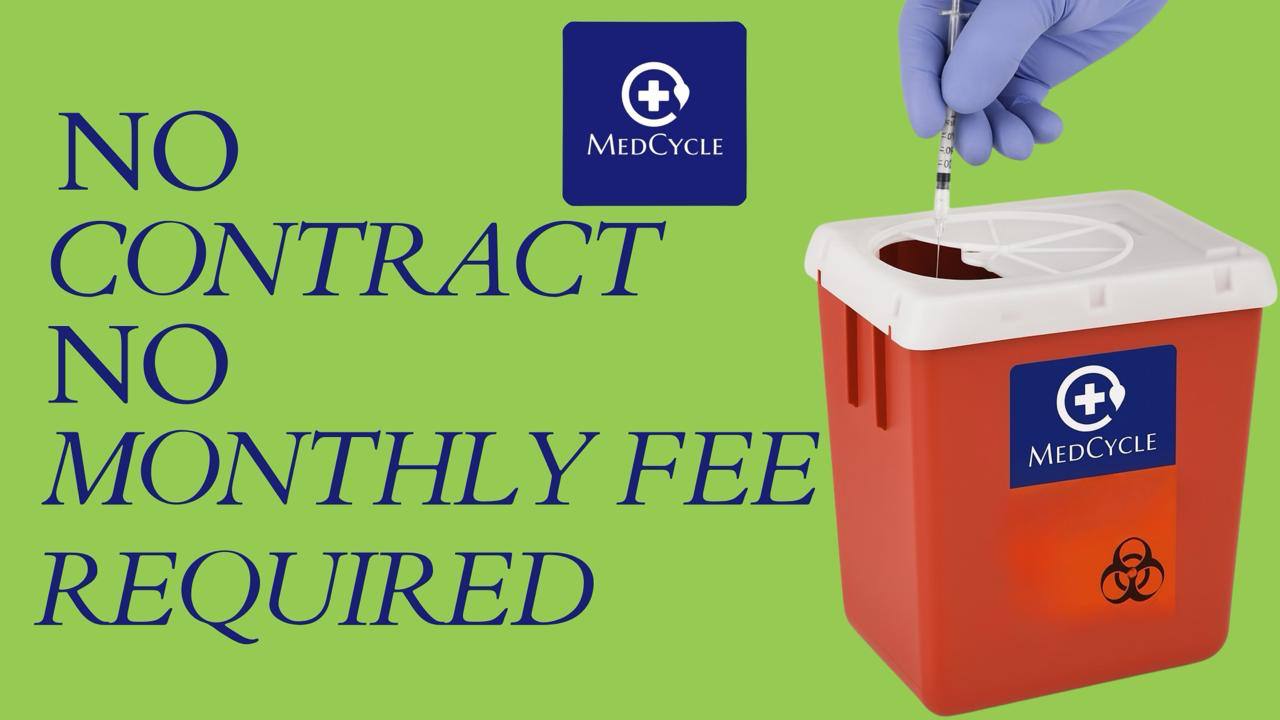
Sharps disposal deserves its own attention, genuinely. A proper needle disposal box, puncture-resistant and clearly labeled, needs to sit within arm’s reach wherever needles or sharps actually get used – not down the hall in some supply closet nobody visits. Syringe disposal follows the same logic: immediate, point-first into the container, never recapped first, ever.
As part of this OSHA compliance guide, practices should pay particular attention to sharps containers, biohazard waste, and other potentially hazardous materials.
Dental offices carry one more layer most medical offices don’t deal with: amalgam waste. Old mercury-containing fillings and scrap amalgam can’t go into regular trash or down the drain, full stop. The EPA’s amalgam separator rule requires capturing this waste before it reaches wastewater, and OSHA compliance around handling it safely overlaps with those environmental requirements pretty directly. The following recommendations from this OSHA compliance guide can help medical and dental practices maintain safer waste management procedures:
A quick rundown of medical waste disposal basics worth keeping visible somewhere in the office:
- Store biohazard waste in clearly labeled, leak-proof containers
- Keep sharps containers close to the point of use, not across the room somewhere
- Never overfill a sharps container past the manufacturer’s fill line
- Separate amalgam waste using an approved separator system
- Schedule pickup through a licensed medical or dental waste disposal provider
How to Prepare for an OSHA Inspection
OSHA inspections typically happen without advance notice, prioritized by factors like imminent danger, reported injuries, or worker complaints – so there’s rarely a heads-up window to scramble in beforehand.
When an inspector shows up, expect three phases: an opening conference explaining the scope, a walkthrough of the facility, and a closing conference summarizing findings. Having current training logs, safety data sheets, and injury records organized ahead of time turns that walkthrough into a formality instead of a crisis. Keep an eyewash station accessible, sharps containers properly placed, PPE stocked and visible – these are exactly the details an inspector checks first, before anything else. A practice that treats compliance as routine maintenance, not a once-a-year scramble, rarely has much to worry about when that knock actually comes.
By following this OSHA compliance guide, medical and dental practices can take practical steps toward better workplace safety, organized documentation, and inspection readiness.
FAQs
What are the most common OSHA compliance violations in medical offices?
Following an OSHA compliance guide can help practices avoid common issues such as missing or outdated bloodborne pathogen training, improperly stored sharps containers, and incomplete injury recordkeeping.
How often is OSHA compliance training required?
Most training, especially bloodborne pathogens, requires annual renewal whenever new hazards, chemicals, or equipment are introduced.
How should a facility handle biohazard waste disposal to stay compliant?
Store it in clearly labeled, leak-proof containers separate from regular trash, and use a licensed disposal provider for regular pickup and proper treatment.
What is amalgam waste, and how does OSHA compliance apply to it?
Amalgam waste refers to mercury-containing dental filling material that must be captured using an approved separator rather than disposed of in regular trash or drains.
What happens if a facility fails an OSHA inspection?
Fines vary by violation severity, ranging from a few thousand dollars for minor issues to significantly higher penalties for willful or repeated violations.
Can Medcycle assist with proper syringe disposal and sharps container setup?
Yes, Medcycle offers sharps container placement, scheduled pickups, and compliant disposal services designed to help medical and dental practices stay OSHA-compliant without added guesswork.