📌 Key Takeaways
Proper biohazard color coding is essential for safe and compliant dental waste disposal. Dental practices must separate infectious, sharp, pharmaceutical, hazardous, and amalgam waste using appropriate containers. Correct segregation helps prevent contamination, injuries, and environmental harm. Following recommended waste management guidelines and partnering with a reliable provider like MedCycle can help dental offices maintain safety and compliance.
Biohazard Colors coding is one of the most effective ways to keep things organized and orderly across all applications. But when it comes to disposing of clinical waste, it is vital to stick to a rigid waste management system for several reasons. Specifically, color coding for dental waste disposal has environmental implications, in addition to the pre-existing health and safety ones. Biohazard colors coding helps healthcare facilities identify and separate hazardous waste efficiently.
The waste from dental practices is roughly 85% non-hazardous waste and 15% hazardous, meaning it can cause or spread infections to other people if they are exposed to it. Safe handling of this waste is vital to ensure that infections are not spread to other people; color coding waste disposal bins provides a visual indication of the potential risk posed by the waste inside. Biohazard colors coding plays an essential role in reducing contamination risks.
What Are the Different Colored Bins For?
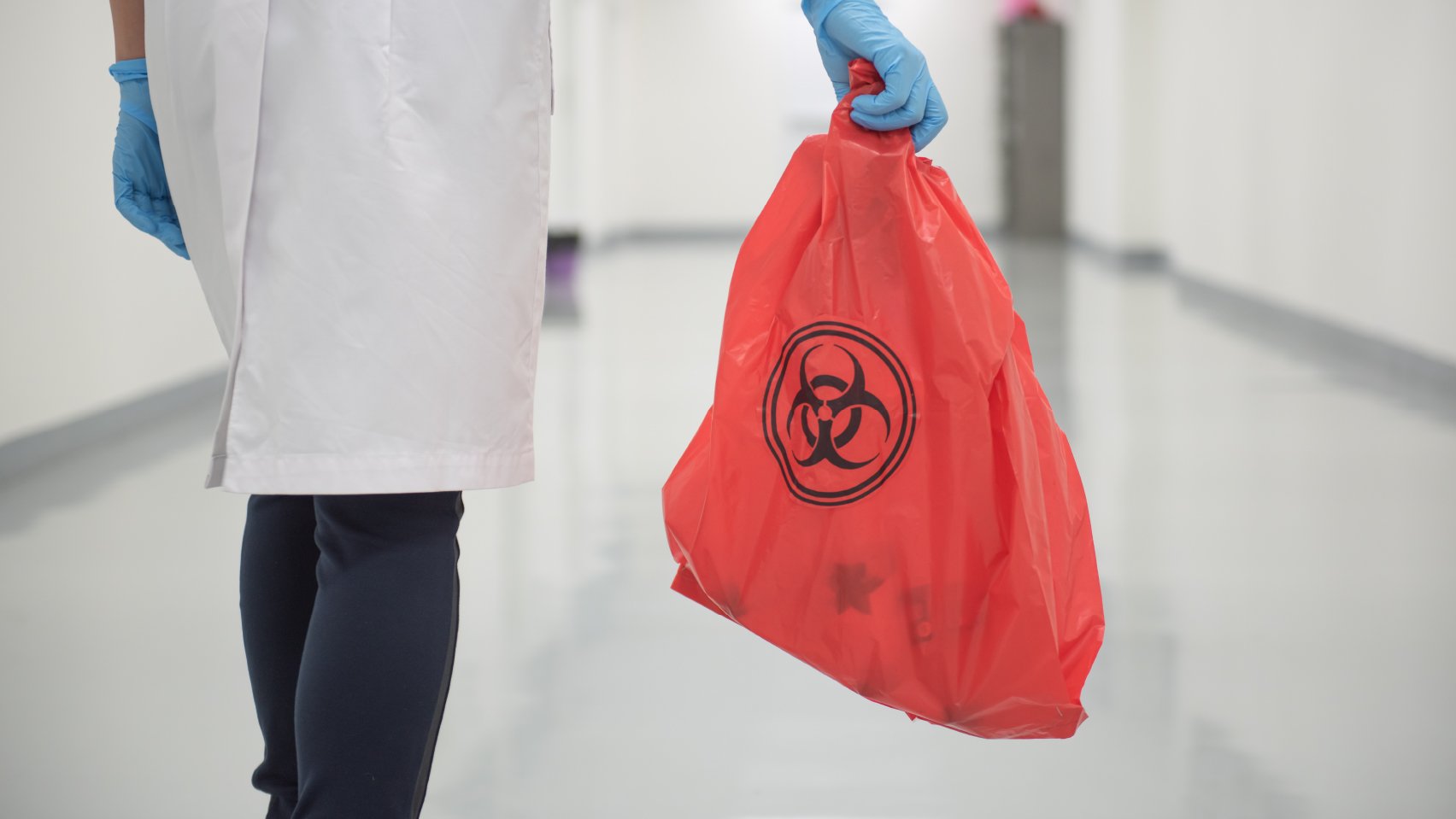
The colors for each type of medical waste are ideally kept constant, not just in a single medical facility, but across all medical facilities. To stop the spread of diseases, the World Health Organization (WHO) has its own recommended color-coding system for waste disposal. Biohazard colors coding ensures these standards are applied consistently.
- Black is used for general non-infectious, non-hazardous waste.
- A lead box with any color and a radiation symbol for radioactive waste.
- Brown with a warning symbol signifies chemical or pharmaceutical waste.
- The Environmental Protection Agency (EPA) defines pharmaceutical waste as expired, unwanted, or unused pharmaceuticals.
- Yellow with a biohazard symbol for infectious waste, pathological waste, and sharp wastes.
- Sharp wastes are classified by the U.S. Food and Drug Administration (FDA) as any device or object used to puncture or lacerate the skin.
However, other government departments around the world have their own color-coding systems that bear some similarities to the WHO’s but still have key differences. One of the more prominent examples is the U.K.’s Department of Health and Social Care, which has been adopted around the world and can be seen in many medical facilities. Biohazard colors coding may vary slightly between regions, but the objective of safe waste segregation remains the same.
Color-coding is necessary to keep the different types of medical waste separate; attempting to separate the waste once it’s all mixed is unsafe and increases the risk of infection. Use of any colored bin other than the above colors for general waste is prohibited. Biohazard colors coding minimizes exposure to infectious materials during handling.
To avoid confusion, make sure all waste containers in the same stream are the same color: if there are red small bins in examination rooms for infectious waste, then larger containers for infectious waste should also be red. If you use black for non-hazardous waste, use black for all such containers throughout the facility, so on and so forth. Biohazard colors coding also improves operational efficiency by making waste identification easier.
What Are the Classifications of Dental Waste?
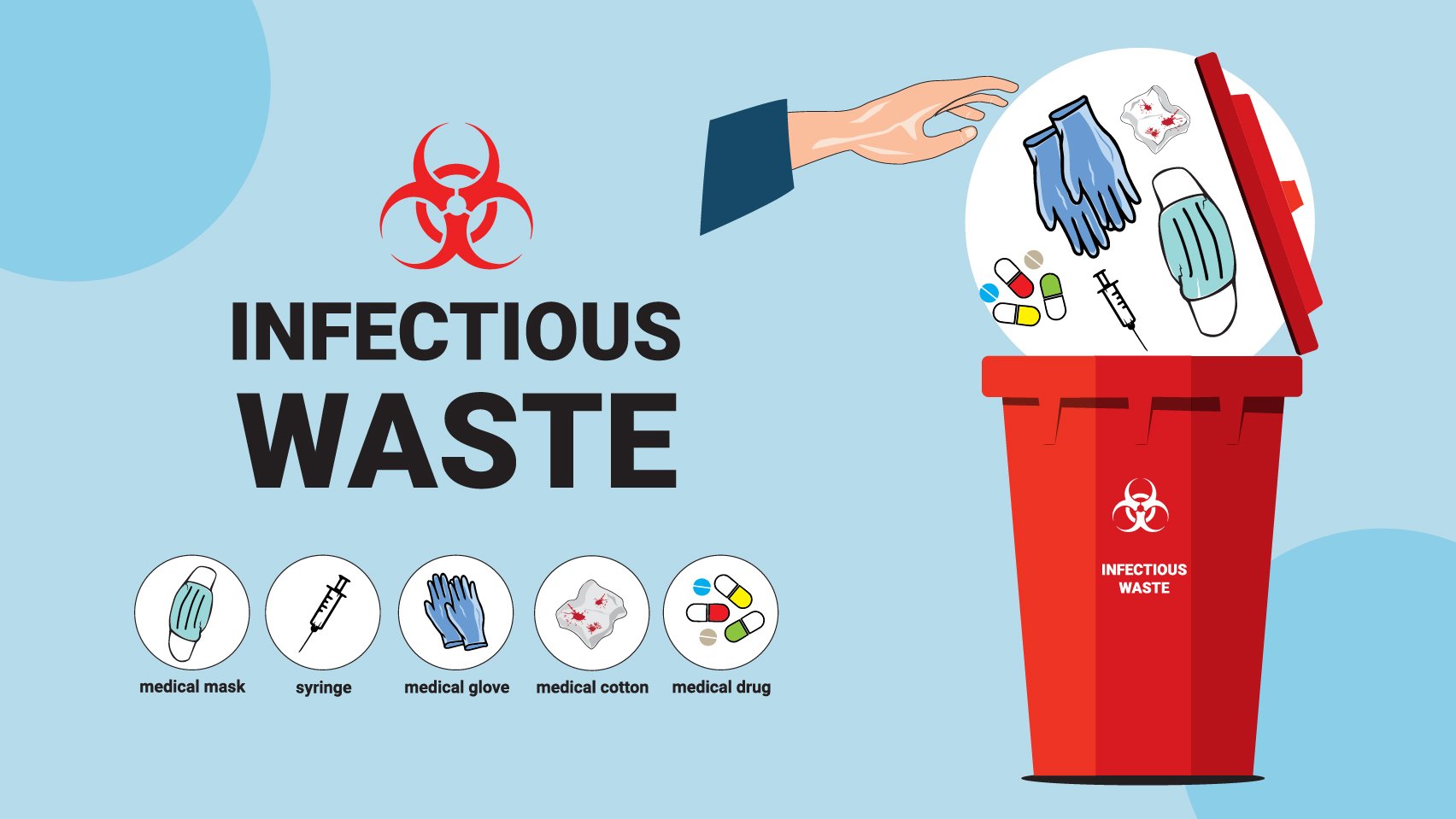
Dental waste can be divided into four different categories: amalgam waste, hazardous waste, pharmaceutical waste, and sharp waste. Dental amalgam waste refers to anything that contains a mixture of liquid mercury and an alloy of silver, copper, tin, and zinc. Colloquially referred to as “silver fillings,” this mixture is used to fill cavities, but it can also appear in vacuum pump filters and saliva ejectors.
Dental amalgam can get into the ecosystem if disposed of improperly, so the EPA requires it to be handled in specific ways. Because it is a mixture of metals, one of the most effective ways to prevent this amalgam waste from entering the environment is through the use of amalgam separators and an amalgam recycling program. Biohazard colors coding supports proper identification of amalgam waste containers.
In 2017, the EPA ruled that amalgam separators must achieve at least a 95% removal efficiency. That separated amalgam waste cannot then be discarded in the trash. Instead, it must be sent to a facility that specializes in melting the metals and recycling that mercury. Therefore, amalgam waste needs to be placed in its own distinct container.
Meanwhile, for hazardous waste to be classified as such, it must exhibit one of the following traits: ignitability, reactivity, corrosivity, or toxicity. Hazardous waste can be solid, liquid, or gas, which affects how it should be handled. With so many different types of medical waste, it is easy to see why it is important to effectively implement color coding for dental waste disposal. Biohazard colors coding provides a standardized approach to managing these waste streams.
Proper Color Coding for Dental Waste Disposal
With the different types of medical waste produced by dental practices now clearly outlined into individual categories, it becomes easier to practice proper color coding for dental waste disposal.
Using the WHO’s recommended waste management scheme, a proper, color-coded waste disposal system for dental waste would consist of:
Hazardous waste is placed in strong, leak-proof yellow containers/bags and marked with “HIGHLY INFECTIOUS.”
These containers should be collected either when three-quarters full, or at least once a day.
Sharp wastes go in red containers instead of bags to avoid punctures and should be marked with “SHARPS” to distinguish them from hazardous waste containers.
- Pharmaceutical waste goes in brown plastic bags or rigid containers.
- Pharmaceutical waste containers should be collected on demand.
- Dental amalgam is considered non-hazardous waste and can be placed in approved containers for proper amalgam waste disposal and separation at a specialized facility.
Proper storage and disposal of clinical waste helps protect people and the environment. For dental practices seeking safe dental clinical waste disposal, MedCycle offers reliable waste disposal solutions and services.
Additionally, MedCycle also offers its online compliance portal, a trusted resource to thousands of businesses for compliance information, tools, and training. Contact us today for a free quote, and see how MedCycle can help you.
FAQs
What color containers are used for sharp waste?
Wastes that may lead to injuries in handling are stored in puncture-resistant containers colored red, which are labeled “SHARPS.” These wastes include sharps such as needles, blades, and other sharp materials used in dentistry.
How can dental practices stay compliant with waste disposal regulations?
Dental practices need to be in compliance with the waste disposal regulations in terms of segregation of waste, adherence to the EPA and WHO guidelines, use of color codes for different wastes, holding regular training for their employees, and partnering with credible waste disposal agencies like MedCycle.
Which dental materials are classified as hazardous waste?
Hazardous dental waste is comprised of substances that are either toxic, corrosive, flammable, or reactive in nature. Some examples might include chemical disinfectants, cleaning products, waste contaminated with blood, and other harmful substances that are used in dental treatments.
How do dental offices safely manage sharp waste?
Dental clinics manage sharp waste through the proper disposal of used syringes, scalpel blades, and other sharp items directly into special red containers.
How does MedCycle help dental practices manage hazardous waste?
MedCycle offers reliable options for the safe and effective disposal of hazardous waste for dental offices through a combination of waste pick-up services, compliance help, staff training, and environmentally sound disposal methods.
Why choose MedCycle for safe and compliant dental waste management?
Dental practices choose MedCycle for dependable waste disposal services, compliance-focused solutions, environmentally responsible practices, and customized programs designed specifically for healthcare and dental facilities.