📌 Key Takeaways
Veterinary medical waste includes sharps, biomedical waste, hazardous materials, pharmaceuticals, and confidential documents that require proper handling and disposal. Sharps and biohazard waste must be securely contained to prevent injuries, contamination, and disease transmission. Hazardous and pharmaceutical waste requires specialized handling, packaging, labeling, and disposal methods. Proper veterinary medical waste disposal helps clinics maintain safety, protect the environment, and comply with applicable regulations. MedCycle provides reliable veterinary and medical waste disposal services, including collection, transportation, treatment, and compliance support.
Veterinary offices produce medical waste similar to the medical waste produced by human doctors’ offices. Most veterinary waste can be considered non-hazardous and can be disposed of as municipal waste. However, alongside proper waste handling, many clinics also rely on Secure Document Shredding Services to safely destroy sensitive medical records and client information, as there are also materials that have been contaminated by animal fluids, which must be disposed of with more care.
This type of waste usually includes sharps waste, biomedical waste, and hazardous waste. There are a few important practices that a veterinary office can adopt to maintain compliance with medical waste requirements and practice safe veterinary medical waste disposal.
What is Veterinary Waste?
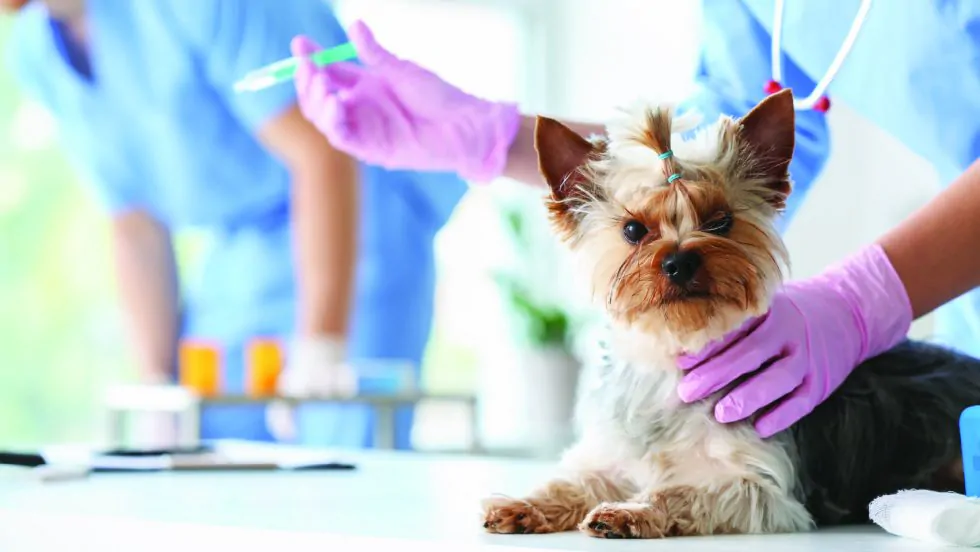
Veterinary waste consists of sharps, biomedical, and hazardous waste contaminated with animal fluids from veterinary practice, as well as standard office waste that may require disposal. Veterinary waste can be categorized into the following categories:
- Sharps Waste
- Animal/Biomedical Waste
- Hazardous Waste
- Confidential Information/Documents
Proper classification of these materials is the first step toward effective veterinary medical waste disposal, as each type of waste may require different containers, handling procedures, and disposal methods.
Sharps waste is defined as anything with a point of contact that can cut, puncture, prick, or otherwise penetrate the skin, including waste bags or other storage units. Some examples include suture needles, scalpels, syringes, or lancets. Veterinary clinics produce sharps waste in the practice of surgery, such as spaying and neutering, and other animal treatment procedures.
Animal biomedical waste is any animal tissue, organs, body parts, surgical specimens, or bedding that may have come into contact with the bodily fluids of animals. Due to the various diseases that can be transmitted through exposure to animal bodily fluids, it is crucial to pay close attention to proper disposal practices. Following appropriate veterinary medical waste disposal procedures helps minimize the risk of exposure and prevents contaminated materials from entering the general waste stream. In addition to safe waste handling, many veterinary and medical facilities in the area also prioritize Medical Record Shredding Houston to ensure sensitive patient and client information is securely destroyed and fully compliant with privacy regulations.
Veterinary clinics also generate hazardous waste while treating various animal illnesses and conditions. This may include trace chemotherapy waste, such as blood tubes, undispensed products, IVs, and other pharmaceutical waste. Proper pharmaceutical waste management is essential because these materials require specialized handling and disposal. Where applicable, pharmaceutical waste recycling can also help ensure eligible materials are processed responsibly and reduce unnecessary environmental impact.
Another type of waste generated by veterinary clinics, which poses a little less physical risk to the disposer, includes confidential documents and sensitive information. Veterinary offices, much like human healthcare facilities, honor doctor–patient confidentiality, and the medical records of former patients require proper disposal as well. As part of comprehensive Regulated Medical Waste Management Houston, clinics must ensure that, in addition to medical histories of previously treated animals, payment and personal information from their owners is securely protected and properly disposed of.
How Do You Dispose of Veterinary Medical Waste?
Depending on the type of waste, there are specific practices that should be carefully executed to ensure safe veterinary medical waste disposal in compliance with state and federal guidelines. For sharps waste, FDA-approved sharps disposal containers are recommended. Any container that cannot easily be penetrated by the sharps waste can also be used but must be carefully secured. Sharps containers are usually red or should be marked red to indicate sharps. Most waste produced in veterinary practices is considered solid waste, even when it may not be physically solid. At the federal level, the Environmental Protection Agency (EPA) regulates solid waste under the Resource Conservation and Recovery Act (RCRA).
A reliable veterinary medical waste disposal program should include proper segregation, secure storage, safe transportation, treatment, and final disposal based on the type of waste generated.
Animal or biohazard waste is usually disposed of in plastic bags. These bags must be secured tightly so that none of the waste falls out and inadvertently contaminates the surrounding environment. Veterinary offices often deal with the death of an animal, which requires a more respectful method of disposal. Some patient owners request animal bodies to bury themselves, but veterinary clinics are also prepared to handle the disposal of animal bodies. This usually involves placing the body in infectious waste containers to be taken away and disposed of by a medical waste facility.
Hazardous and pharmaceutical waste must be separated and carefully handled to prevent harm, making proper pharmaceutical waste disposal essential for protecting staff, animals, and the environment. This type of disposal is better handled by professional waste disposal services to a) prevent the waste from contaminating people and animals and b) keep them out of reach of dumpster divers seeking discarded pharmaceutical products. Hazardous waste must be properly separated, packaged, labeled, and marked for incineration.
Municipal waste, such as confidential documents or forms, can also be handled by a professional medical waste disposal service to ensure the information does not fall into the wrong hands. This process usually involves shredding and recycling, if possible.
Veterinary practices can simplify veterinary medical waste disposal by working with an experienced provider that understands the unique waste streams generated by animal healthcare facilities.
MedCycle Veterinary Medical Waste Disposal Services
MedCycle provides expert medical and veterinary medical waste disposal to the Houston, Austin, and San Antonio areas. Our services range from same-day hazardous materials removal or regularly scheduled medical waste collections to online certification for your workforce. We also offer comprehensive biomedical waste collection, transport, treatment, and compliance training for any facility that utilizes medical tools, including tattoo parlors.
FAQs
What is veterinary medical waste?
Veterinary medical waste includes sharps, animal or biomedical waste, hazardous and pharmaceutical waste, and confidential documents generated by veterinary practices.
How should veterinary sharps waste be disposed of?
Sharps such as needles, syringes, scalpels, and lancets should be placed in secure, puncture-resistant sharps containers to prevent injuries and contamination.
How is animal biomedical waste disposed of?
Animal tissues, organs, body parts, surgical specimens, and other contaminated materials should be properly contained and handled according to applicable medical waste regulations.
Does veterinary pharmaceutical waste require special disposal?
Yes. Pharmaceutical and hazardous waste, including certain chemotherapy-related materials, requires separate handling, packaging, labeling, and disposal to reduce risks to people, animals, and the environment.
Why should veterinary clinics use a professional waste disposal service?
A professional veterinary waste disposal service can help clinics safely collect, transport, treat, and dispose of regulated waste while supporting compliance with applicable regulations.