📌 Key Takeaways
Healthcare workers deal with injury and violence rates that beat out almost every other profession, but safety still gets treated like paperwork in a lot of places instead of something that’s actually practiced. This guide gets into why healthcare staff safety deserves real attention, how training and reporting culture end up shaping outcomes, and how facilities can actually tell if their safety programs are working or not. At the end, there are some straightforward answers to the questions staff and administrators ask most.
OSHA has found that healthcare workers are five times more likely to experience workplace violence than employees in nearly any other profession. This statistic alone highlights why Healthcare Worker Safety and proper safety training are so important. Add risks such as needlestick injuries, chemical exposure, and the physical strain of moving patients throughout the day, and it’s clear that healthcare workers face hazards that many office employees rarely encounter. Healthcare workers face biological, chemical, physical, ergonomic, and psychosocial hazards. The WHO emphasizes that protecting them is essential for their well-being and safe, effective healthcare systems.
Why Healthcare Worker Safety Matters
None of this is abstract. Healthcare and social assistance workers see violence-related injuries at a rate of about 14 per 10,000 full-time employees, compared to roughly 3 per 10,000 across private industry overall. Close to 44 percent of nurses say they’ve been physically assaulted by a patient at some point – and that’s not even counting the verbal abuse most staff have just gotten used to tuning out.
Ask anyone who’s worked a night shift in an ED and they’ll tell you the same thing. Workplace violence isn’t some rare event. For a lot of staff, it’s more of a routine hazard that just comes with the territory.
Beyond Violence: The Everyday Physical Risks
Employee safety in healthcare isn’t only about preventing assault. There’s a whole list of hazards staff run into on a regular basis:
- Needlestick and sharps injuries from improper disposal or procedures done in a rush
- Musculoskeletal injuries from lifting and repositioning patients
- Exposure to infectious materials, chemicals, and hazardous drugs
- Slips and falls on wet floors, especially in units where spills happen often or cleaning is constant
Infection control for healthcare workers is worth calling out on its own here too, since the exposure risk didn’t go away just because the pandemic isn’t in the headlines anymore. PPE use, hand hygiene, safe handling of contaminated materials – none of it is glamorous, but it’s the daily work that keeps serious outcomes from happening.
Training, Culture, and Reporting Systems
Safety measures for healthcare workers only go as far as the training behind them actually sticks, and that takes more than an annual online module that nobody remembers by March.
Building Training That Actually Changes Behavior
Hands-on scenario training – especially around de-escalation and safe patient handling – tends to stick a lot better than sitting through slides. Firefighters train on live scenarios for good reason, and healthcare staff deserve that same level of seriousness applied to their own risks.
A few things tend to separate real training from checkbox compliance:
- Scenario-based practice instead of passive, lecture-style sessions
- Regular refreshers instead of one session a year
- Training built around specific units, since an ICU’s risks aren’t the same as an ED’s
- Leadership actually showing up, since staff notice pretty quickly when management skips the same training everyone else has to sit through
Why Reporting Culture Makes or Breaks Safety Programs
None of the nurse safety tips out there matter much if staff don’t feel safe reporting incidents in the first place. Surveys keep showing that workplace violence in healthcare goes underreported, and a big part of that is staff being conditioned to see it as just part of the job.
A reporting system that actually gets used needs a few things going for it:
- A quick, simple way to log incidents without a mountain of paperwork
- No fear of retaliation or blame for speaking up
- Visible follow-up, so people can see that reporting actually leads somewhere
- Anonymous options for situations involving coworkers or supervisors
Culture flows downward, plain and simple. If a charge nurse waves off a report as no big deal, staff learn fast that reporting isn’t worth the trouble. How leadership responds is really what determines whether a reporting system gets used or just quietly ignored.
The Role of Waste Handling in Staff Safety
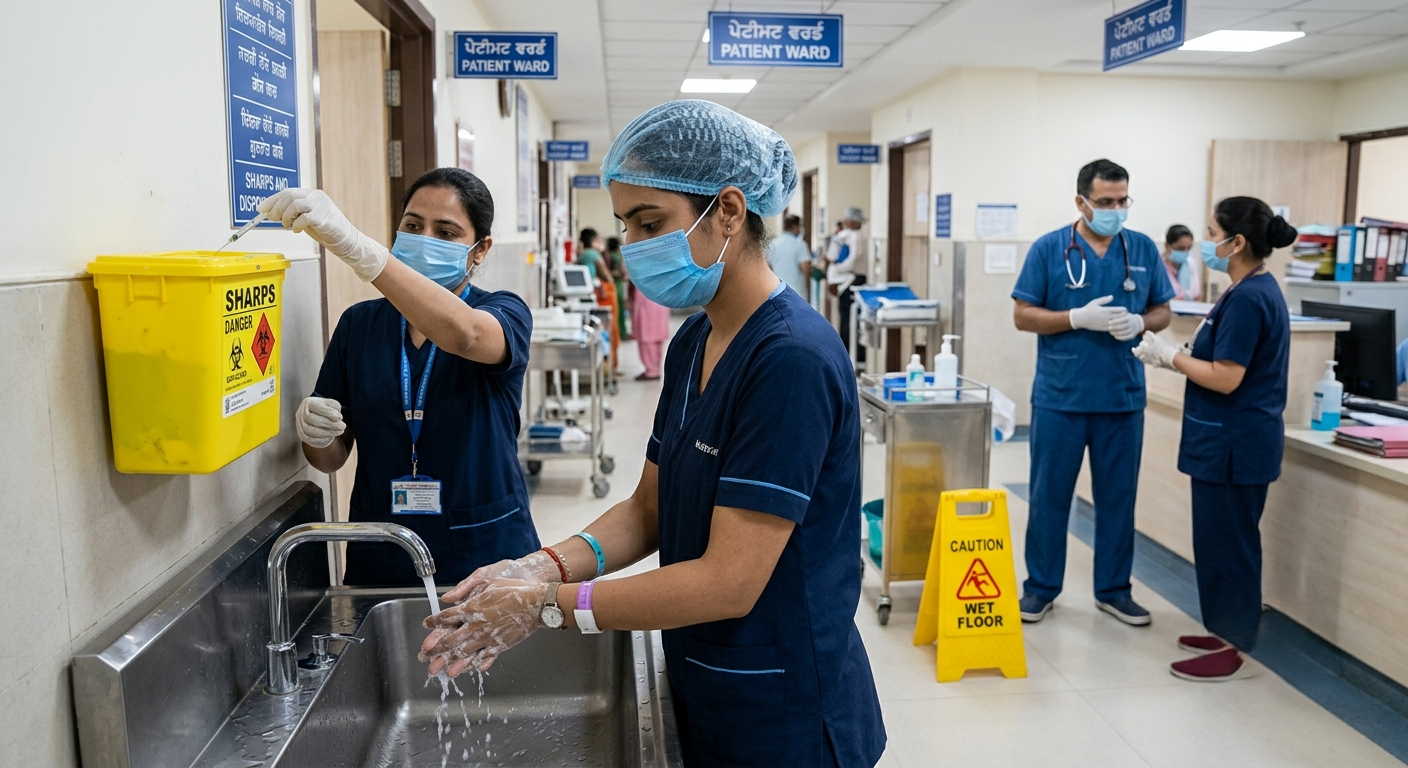
Medical waste handling doesn’t get talked about much outside of compliance training, but effective medical waste management directly impacts worker safety. Sharps and contaminated materials that aren’t properly segregated can create serious exposure risks for staff who handle them every day. This isn’t just a regulatory box to check—facilities that follow proper waste protocols tend to reduce needlestick injuries and other exposure incidents.
This is also where the right partners make a difference. A lot of facilities lean on clinical waste contractors to handle collection, transport, and disposal safely and in line with regulations. Working with established medical waste disposal companies helps make sure sharps, contaminated materials, and hazardous waste are managed properly from the moment they’re collected right through to final disposal. Picking dependable healthcare waste companies isn’t just about staying compliant – it ties directly back to staff safety, since handling waste properly cuts down on the exposure risks that facility staff would otherwise be stuck dealing with.
Measuring Safety: Metrics and Continuous Improvement
You can’t fix what nobody’s actually tracking. Healthcare staff safety programs that actually work rely on real numbers, not just a general feeling that things are probably fine.
Metrics Worth Tracking
Facilities that take safety seriously usually keep an eye on things like:
- Incident rates per unit, tracked over time rather than looked at as one-off events
- Near-miss reports, which often point to where a real incident is headed
- PPE compliance rates, particularly in high-exposure areas
- Staff survey data on how safe people actually feel and how comfortable they are reporting
- How much time passes between an incident report and any corrective action
Comparing internal numbers against industry benchmarks also helps facilities figure out whether they’re looking at a genuine problem or just a broader trend across the industry. A jump in incidents could point to a real gap in training rather than just a rough stretch.
Turning Data Into Actual Change
Metrics don’t mean much if nobody acts on them. Regular safety committee reviews that bring in frontline staff, not just administrators, tend to catch practical fixes that top-down policy usually misses. The person who deals with a hazard every day generally understands it better than any spreadsheet ever could.
Conclusion
Healthcare worker safety isn’t one policy or a training module you knock out once a year. It’s an ongoing effort that touches training, culture, reporting, and measurement, all working together instead of sitting in separate boxes. Facilities that actually take this seriously don’t just see fewer injuries – they tend to hold onto staff longer too, since people don’t stick around in jobs where they don’t feel physically safe.
FAQs
What are the most common risks to healthcare worker safety?
Workplace violence, needlestick injuries, musculoskeletal strain from patient handling, and exposure to infectious materials or hazardous chemicals top the list in most healthcare settings.
When should employers provide PPE, and who decides what’s required?
Employers need to provide PPE any time a task involves exposure risk to blood, bodily fluids, airborne pathogens, or hazardous chemicals. OSHA regulations, along with facility-specific risk assessments guided by infection control teams, determine the exact requirements.
Why does PPE matter for healthcare worker safety?
It creates a physical barrier between staff and infectious or hazardous materials, which directly cuts down exposure risk during patient care, waste handling, and procedures involving bodily fluids.
What safety habits should healthcare staff follow every day?
Consistent hand hygiene, proper PPE use, safe sharps disposal, prompt reporting of near-misses, and safe patient-handling techniques make up the daily foundation of a solid safety routine.
How does medical waste handling affect worker safety?
Medical waste that isn’t sorted or disposed of properly, especially sharps and contaminated materials, creates a direct exposure risk for whoever’s handling it. Sticking to strict segregation and disposal protocols, often with help from clinical waste contractors, cuts down significantly on needlestick and infection incidents.